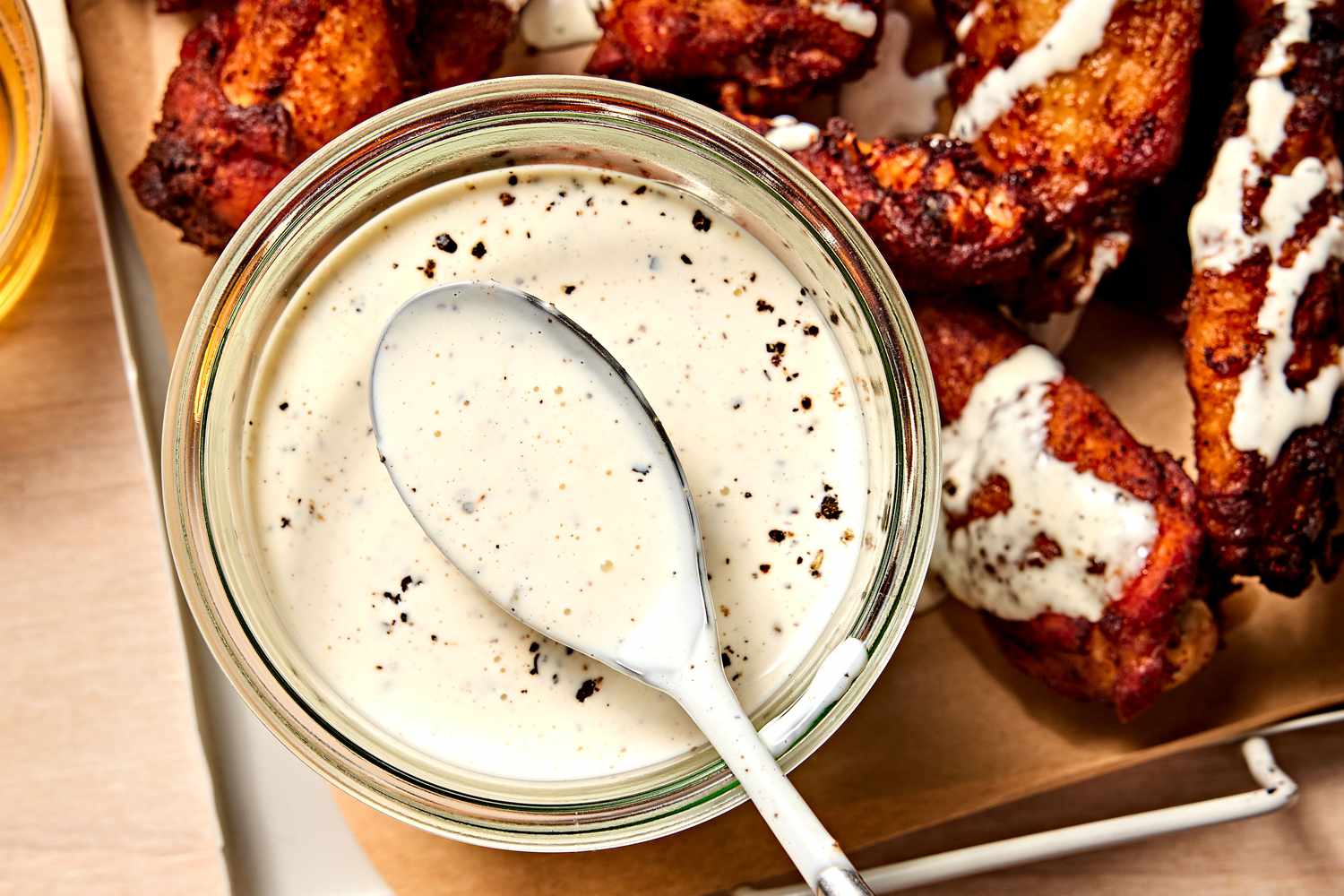
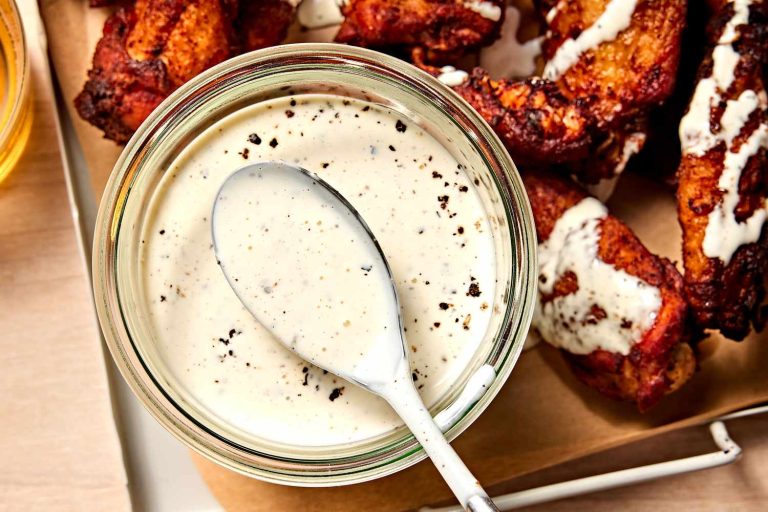
If you’re asking what dipping sauce for pork, start by deciding what your pork tastes like right now: smoky, crispy, roasted, or simply meaty. Then pick a sauce that either cuts through richness (acid), amplifies savoriness (umami), or adds a sweet edge that pork naturally likes.
The fastest way to pick the right sauce for pork
A reliable pairing rule: fat loves acid, lean loves butter or sweetness, crisp loves something sticky or tangy.
Use this quick match:
-
Crispy pork (fried, crackling, schnitzel): sweet-tangy or sharp vinegar dips
-
Grilled pork: bright herb + acid, or spicy-sweet
-
Roast pork / pork loin: mustard, fruit, or pan sauce styles
-
Pulled pork: vinegar, BBQ, or citrus-garlic
-
Pork belly: acidic dips (lime/vinegar) or chili-forward sauces
Five “always works” dipping sauces
These are flexible, quick, and hard to mess up (no list longer than five—promise):
-
Mustard + honey + vinegar: sharp, sweet, and perfect for chops and roasts
-
Vietnamese-style nuoc cham: lime, fish sauce, sugar, chili—amazing with grilled pork
-
Green herb salsa verde: parsley/cilantro, capers, lemon—great for fatty cuts
-
Apple or fruit-based sauce: classic with pork, especially roast loin
-
Garlic-citrus mojo: citrus + garlic + oil—brightens anything grilled or roasted
Simple recipes you can memorize
Mustard-honey dip (2 minutes)
Mix:
Best with: roasted pork loin, pork chops, schnitzel.
Quick salsa verde (5 minutes)
Chop and mix:
Best with: grilled pork, pork shoulder slices, pork belly.
Nuoc cham-style dip (3 minutes)
Stir until dissolved:
Best with: grilled pork skewers, pork neck, crispy pork.
Sauces that fit specific cooking styles
For crispy fried pork
Crispy pork wants a sauce that pops. Try:
-
Vinegar chili dip: vinegar + chili + sugar + salt
-
Tonkatsu-style sauce: sweet-savory, great on breaded pork
-
Spicy mayo with lime: creamy, bright, and easy
The goal is contrast. Crispy + creamy is nice, but crispy + acidic is usually unbeatable.
For grilled pork
Grilling adds smoke and char. The best sauce for pork here either leans herbal or leans spicy:
-
Chimichurri: parsley, garlic, vinegar, oil
-
Gochujang glaze dip: gochujang + honey + rice vinegar
-
Peanut-lime dip: peanut butter + lime + soy + water
For roast pork
Roast pork likes sauces with depth:
-
Pan sauce: use the drippings with stock and a splash of acid
-
Apple-onion compote: sweet + savory, classic pairing
-
Creamy mustard sauce: mustard + cream/yogurt + pepper
If your roast is lean, add richness. If it’s fatty, add brightness.
The “build your own” sauce formula
When you’re out of ingredients or patience, build a dip with four parts:
-
Acid: vinegar or citrus
-
Salt/umami: soy sauce, fish sauce, or just salt
-
Sweet: honey, sugar, jam, or fruit
-
Aromatics: garlic, chili, ginger, herbs
Example: lime + soy + honey + chili = instant grilled-pork magic.
A small detail beginners often miss
Your sauce should match temperature and texture.
-
Hot pork + cold sauce = great contrast (think yogurt-mustard)
-
Crispy pork + watery sauce = can ruin crunch (serve on the side, dip lightly)
-
Rich pork + rich sauce = can feel heavy (add acid, always)
Also: if you’re cooking pork, don’t guess doneness. For whole cuts (chops/loin/roast), 63°C internal temp with rest is the commonly cited safe target; for ground pork, go higher (around 71°C). A thermometer is the cheapest upgrade you can make to every pork meal.
A quick aside: the weird things people read after dinner
Food questions lead to rabbit holes. One minute you’re searching “sauce for pork,” next minute you’re reading a mantis game review because your brain wants dessert in a different form. Totally normal. Just don’t let it distract you from the important thing: pork gets better when your sauce brings contrast.
If you’re deciding what dipping sauce for pork, think in contrasts: bright against rich, sweet against smoky, herbal against fatty. Once you match the sauce to the cut and cooking method, pork stops being “fine” and starts being the dish people remember.